• About

All Things Biological

  • Pleistocene Terrace

    January 10th, 2024

    The pleistocene terrace is a recent layer of sandstone laid down between 2.50 million to almost 11,000 years ago. This is what we call recent. Some of my more cheeky former biology students would ask me if I walked the Earth back then. I digress. I’m taking this route because this little story weaves geology and biology. Back then I taught both biology and geology. It’s a good opportunity for kids to get out in the field to see how nature operates. One particular field trip took us to South Padre Island for a beach clean-up. For some reason I was cleaning up in the back shore, but not sure if there was any repetative method. At some point I looked down and saw this rock in the image below.
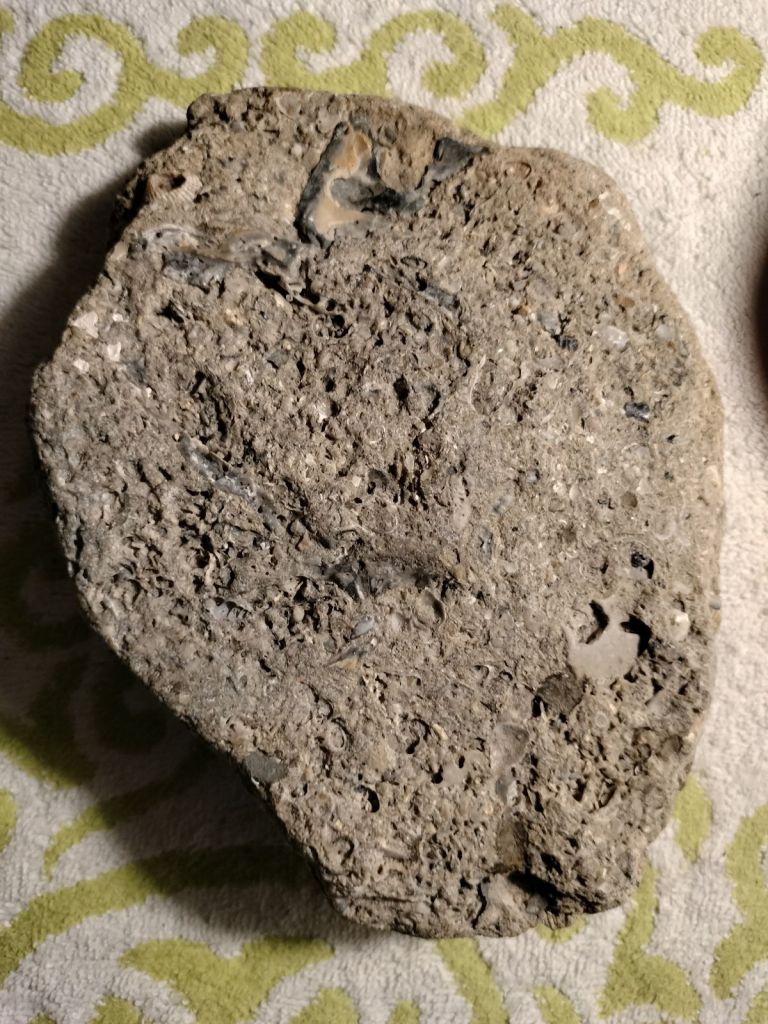
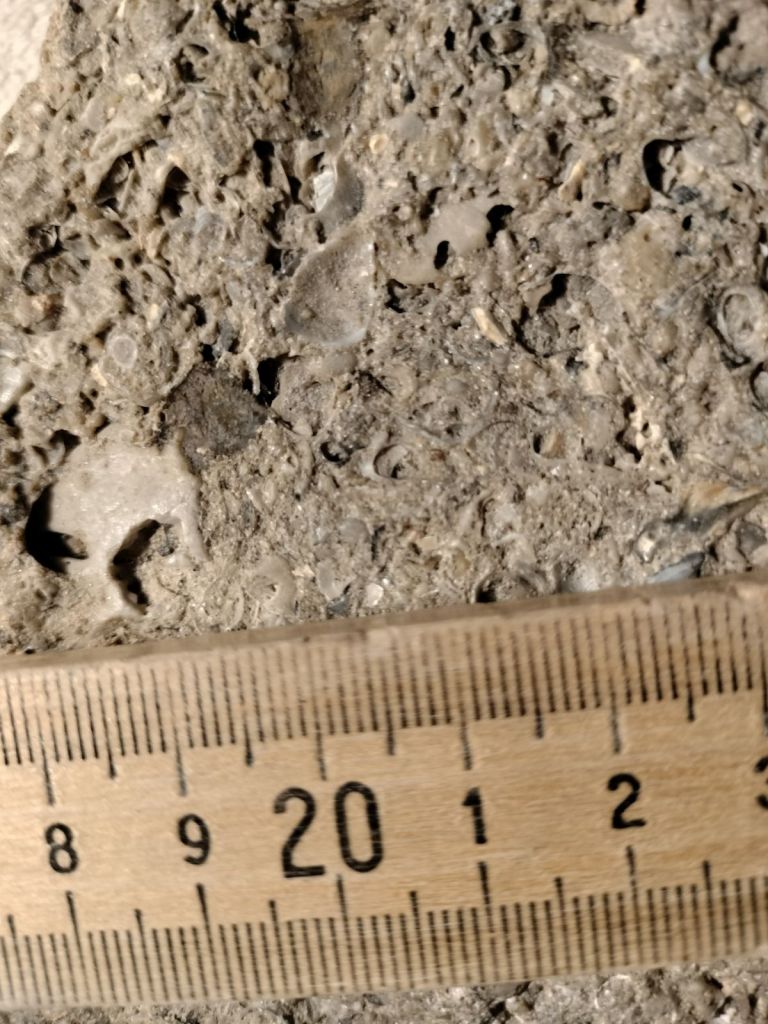
    The image immediately below is a better close-up that includes the relative size of the whole thing, as well as several of the fossil shells. This is where the biology and geology come together. For some reason it is said to be part of the Pleistocene Terrace. I guess it’s Pleistocene because it’ s in the geologic time scale. The terrace part comes from the fact that it represents sediments and shells that have become cemented together. That takes time and pressure (straight out of Shawshank Redemption). Lot’s of time and lots of pressure. How this particular rock ended up on my desk lies in the likely explanation that a big storm, like a hurricane, ripped it from where it formed and tossed it in the back shore of South Padre Island. Pretty cool, right?
  • Research Opportunities in Marine Ecology for High School Students

    April 22nd, 2025

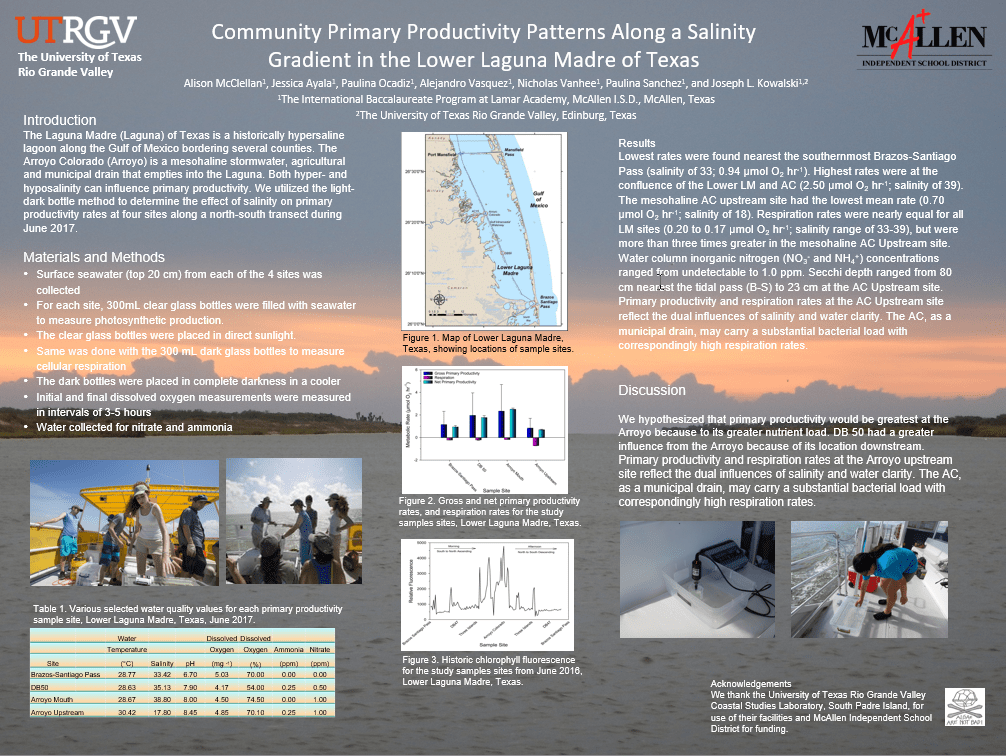
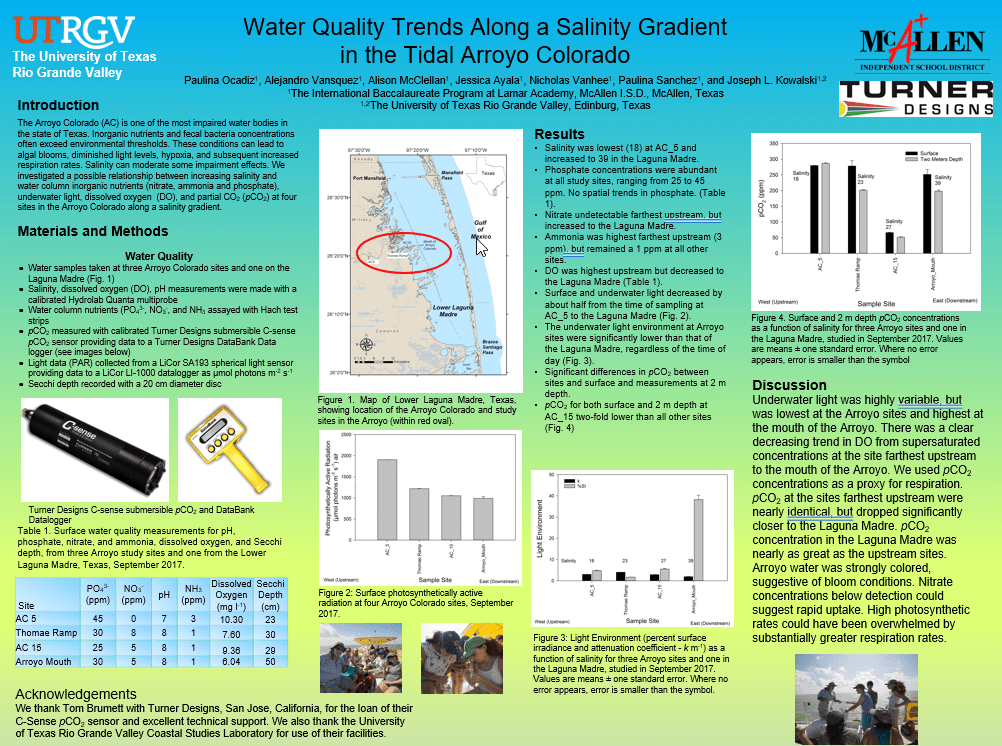
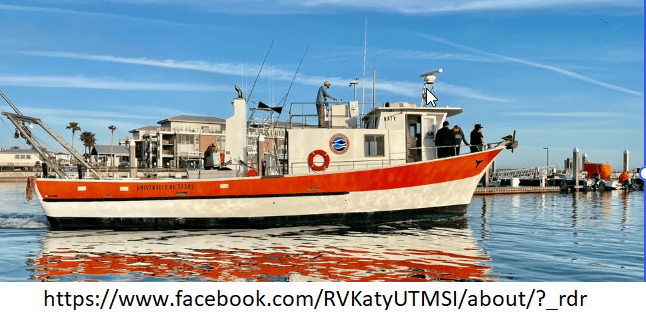
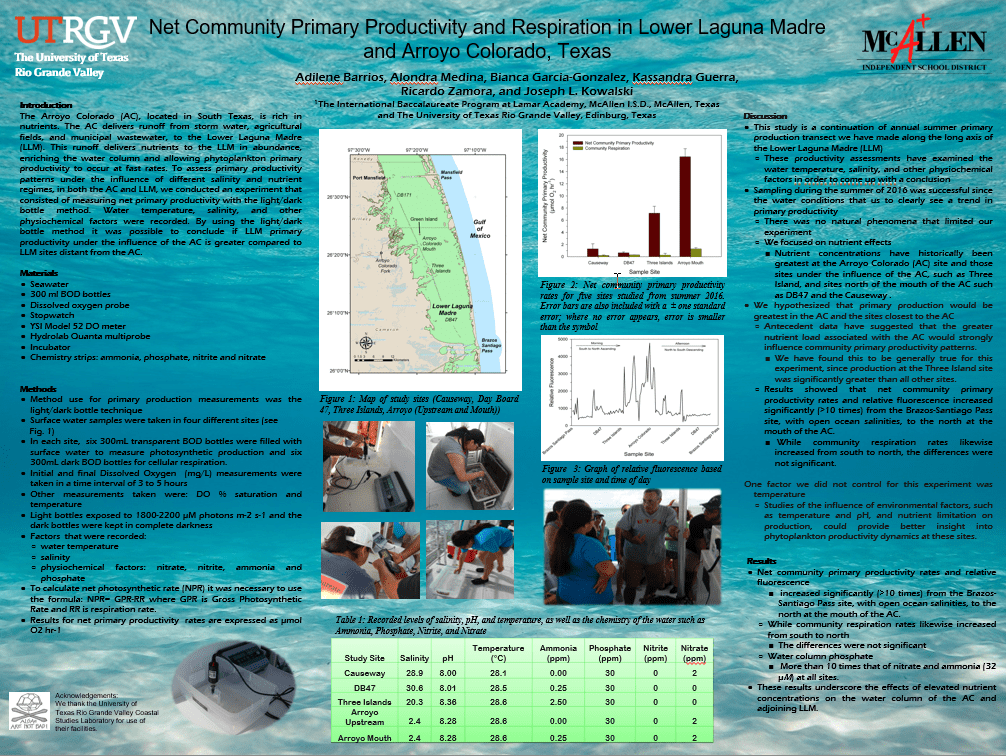
    In the year 2009 the University of Texas Rio Grande Valley (then UTPA) obtained funding for a summer camp in marine ecology. High school students were selected from Dawson High School in Pearland, Texas and The International Baccalaureate Program at Lamar Academy from McAllen Independent School District. The five-day camp was held at The University of Texas Rio Grande Valley Coastal Studies Laboratory on South Padre Island, Texas. Students studied ecological aspects of the Laguna Madre. Topics of study focused on the influence of the Arroyo Colorado on the Laguna Madre. These included the impact of salinity on vertebrate and invertebrate biota. One of the posters is directly below. The camp utilized excursions aboard the R/V Katy, a 57-foot research vessel owned by the University of Texas at Austin Marine Science Institute (UTMSI) in Port Aransas, Texas.

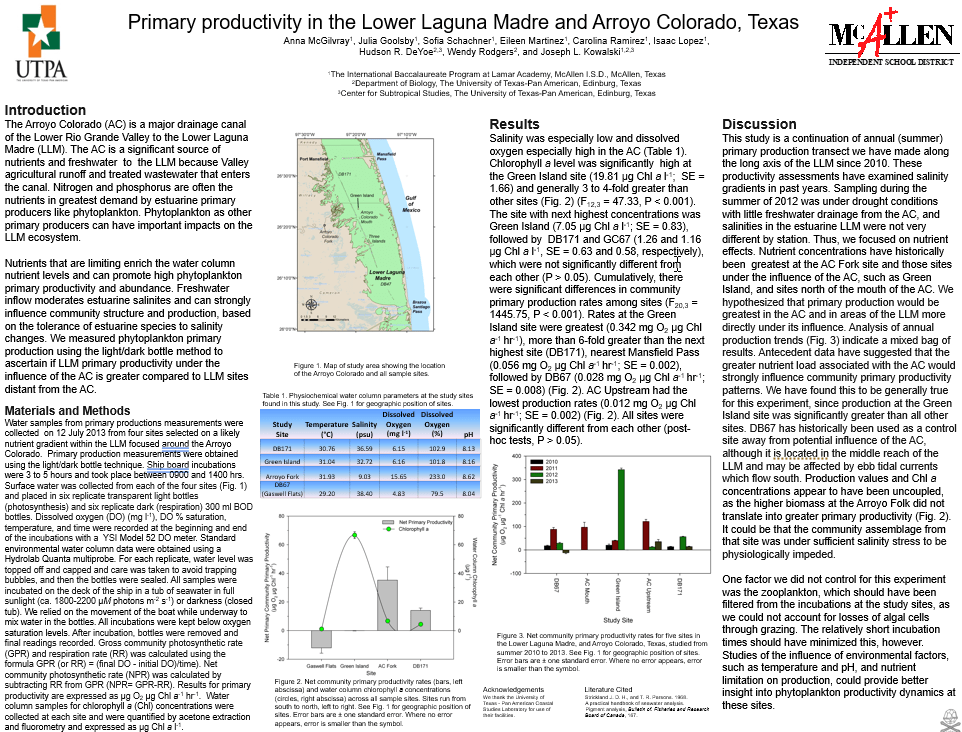
    Other studies conducted by students on the RV Katy included the impact of salinity along varying points influenced by the Arroyo Colorado. In other years students measured photosynthesis and respiration with on-board incubations (see poster below).

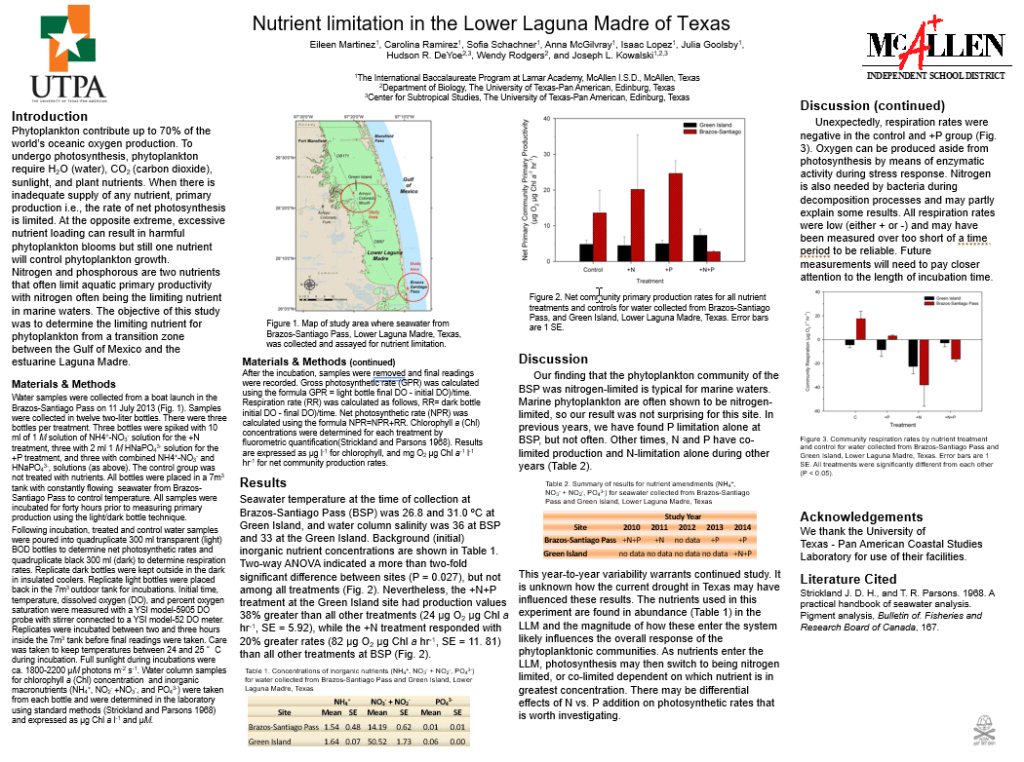
    The following posters below are of primary productivity, but in different years.

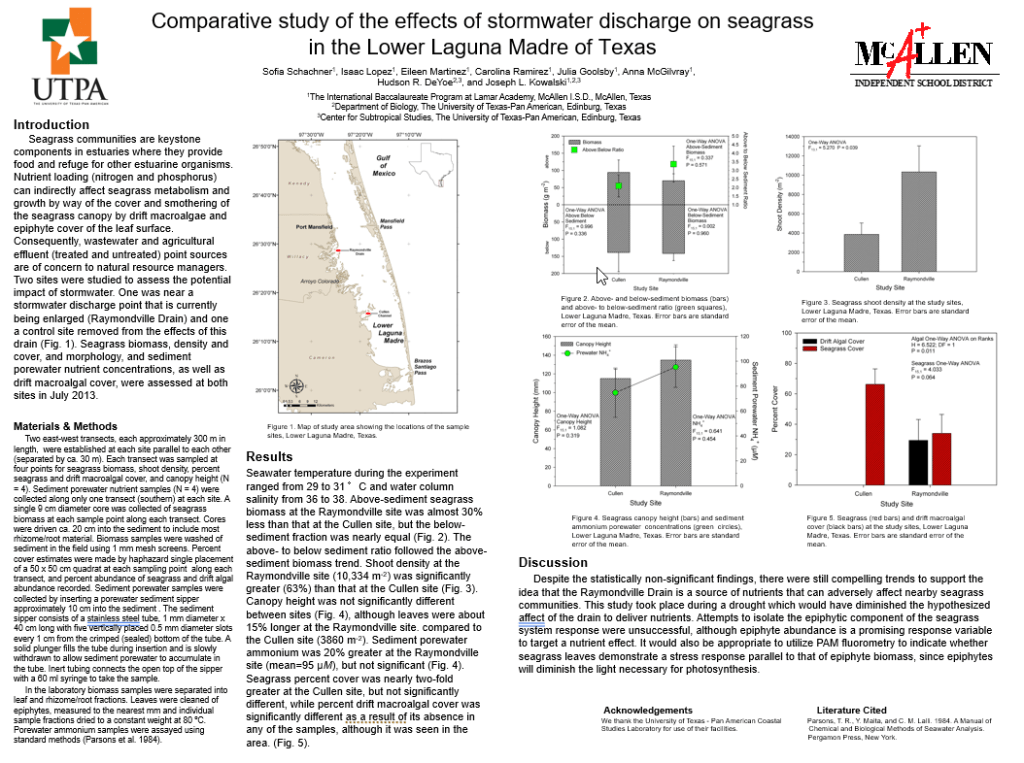
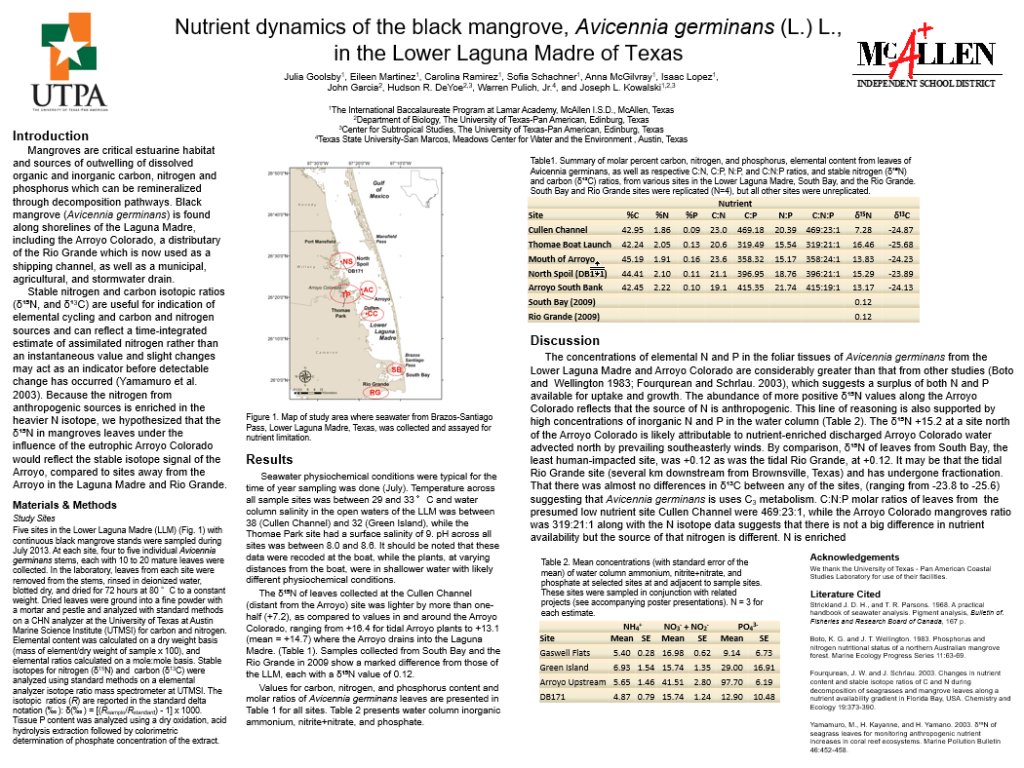
    Other studies also deal with primary productivity but were studied in relation to how plants deal with the macronutrients, nitrogen and phosphorous. See the poster below.

    The nutrients, nitrogen and phosphorous, contribute to water quality, which can influence how much light and dissolved oxygen are available to the biota of an estuary. Some of our studies examined how the Arroyo Colorado, municipal and agricultural drains, influenced the health of the Laguna Madre. We are interested in the Arroyo Colorado because it carries dissolved nutrients and oxygen.

    Not all estuarine plants and animals are submersed. Mangroves are important contributors to estuaries where they grow. The not only supply oxygen, but shelter. Animals (like birds) can live in the mangrove canopy. They also contribute leaves that fall to the mud, decompose and release valuable nutrients back to the muddy sediment.

  • Birds of Bentsen Rio Grande Valley State Park

    March 8th, 2025

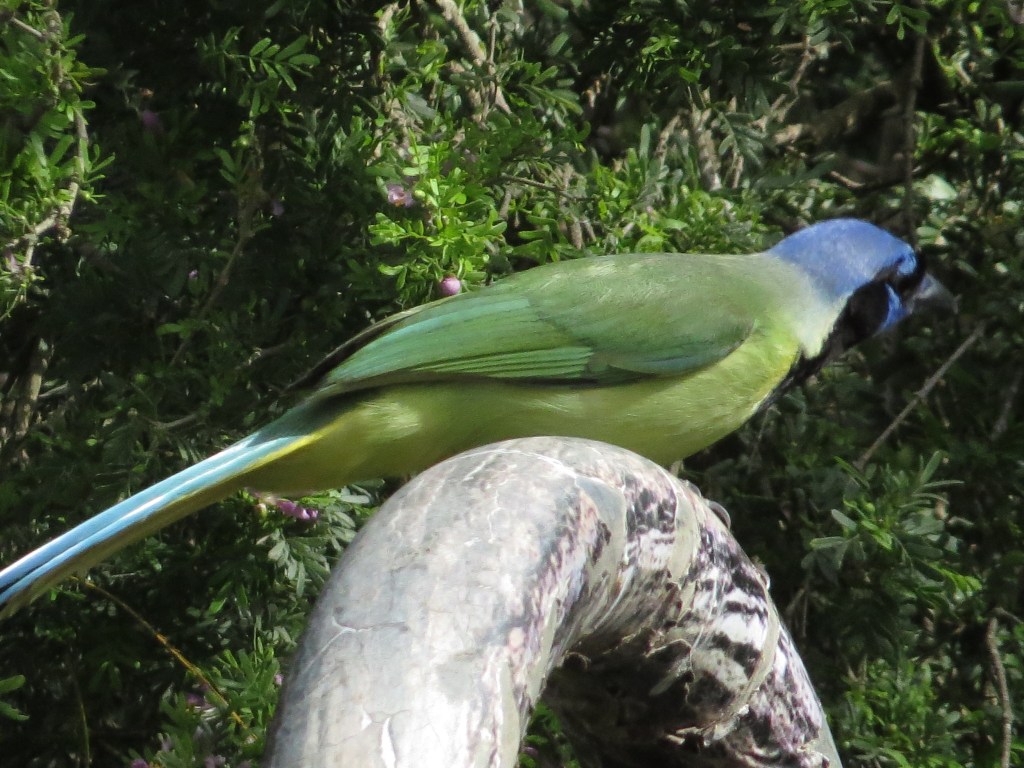
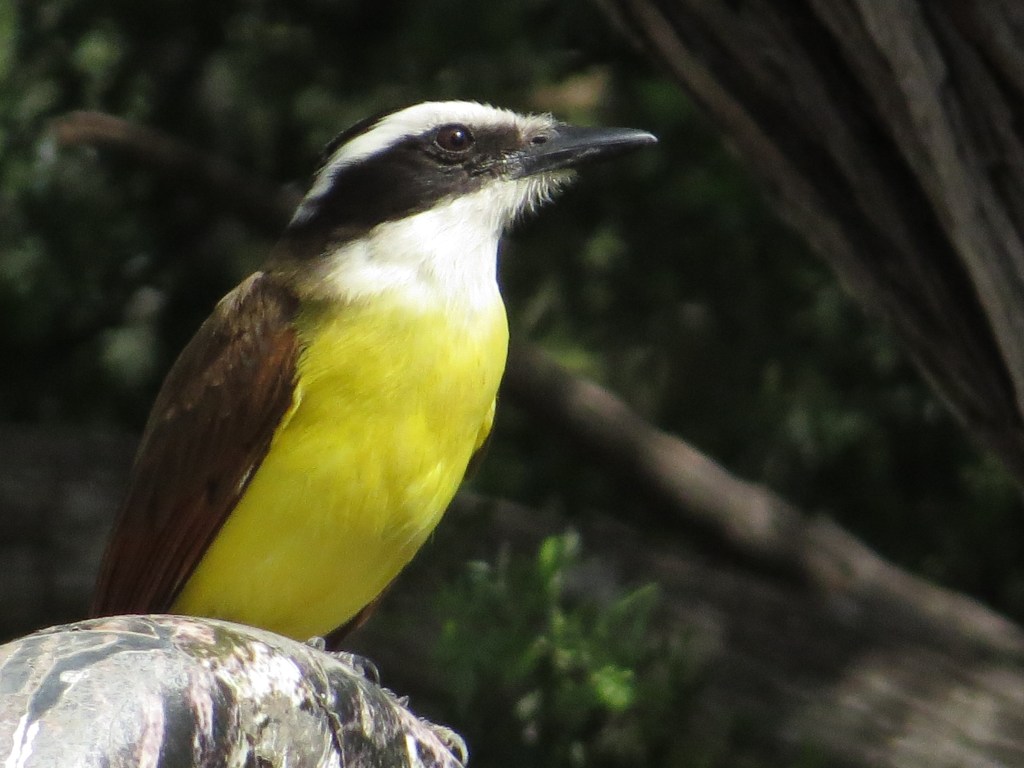
    My wife gave me her old workhorse of a camera when she upgraded. I’ve been getting used to it and have started taking pictures of the birds at Birds of Bentsen Rio Grande Valley State Park, where I volunteer. My duty station is the Nature Center, a structure you pass as you make your way in the park. The first couple of attempts at photography were disastrous, but I’m getting much more confident. Below are some images I took on March 6, 2025.

    Folks from all over the world come to visit Bentsen to see birds from all over the world. Some pass through as migrants and some make the Rio Grande Valley home. One that is abundant in the park is the Green Jay (below), a relative of the Blue Jay of Northern climes and is much in demand to see. Green Jays are most abundant in tropical areas, but their northernmost distribution is south Texas.

    The Great Kiskadee is shown above. As with the Green Jay, the Great Kiskadee is mostly tropical in distribution. Many reside in the Rio Grande Valley year-round.

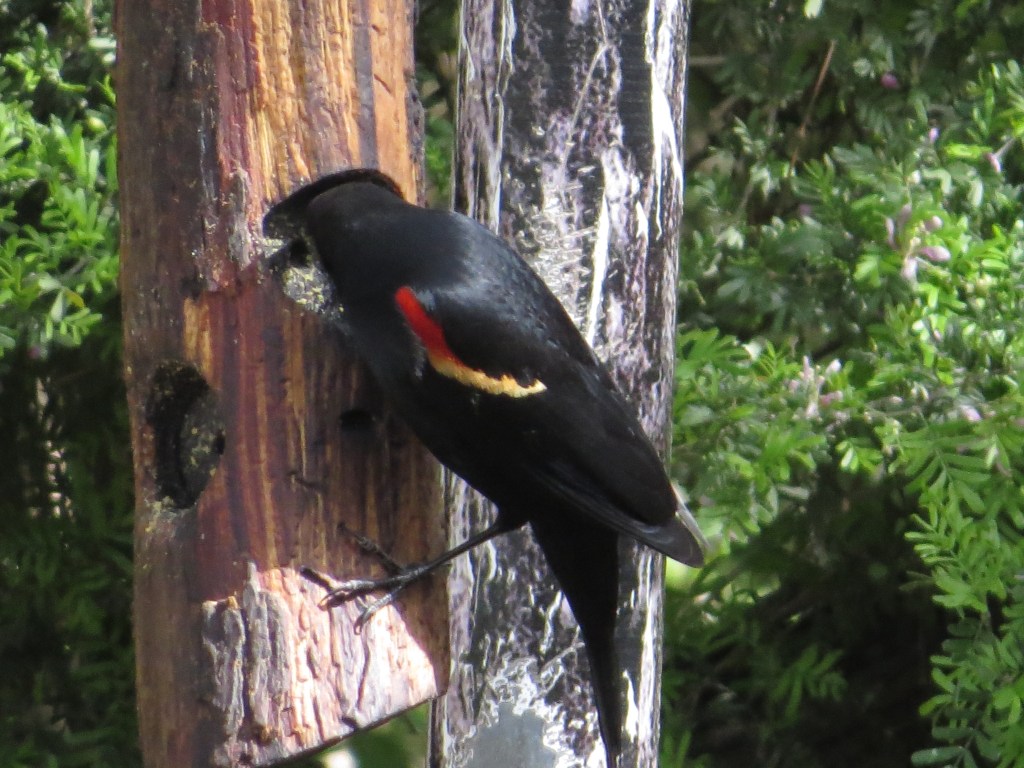
    The Red-Winged Blackbird (shown above) is found in almost every state of the United States (not so much in Alaska or Hawaii. They have a raucous call and are easy to spot with the patch of red and yellow color on their shoulders.

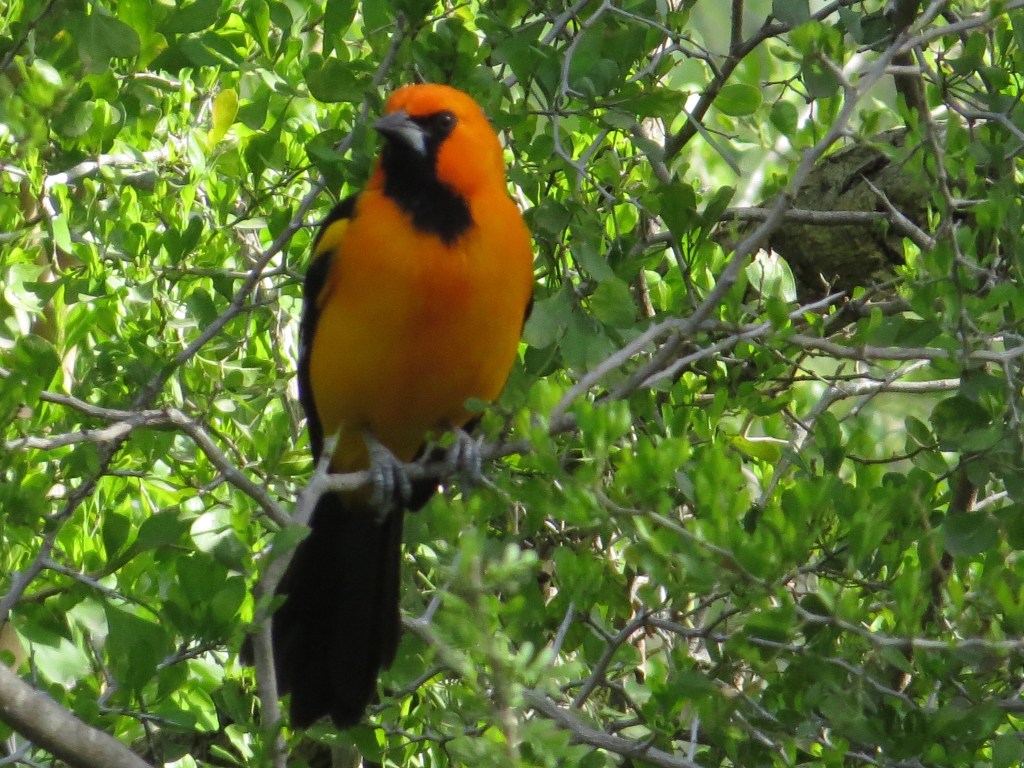
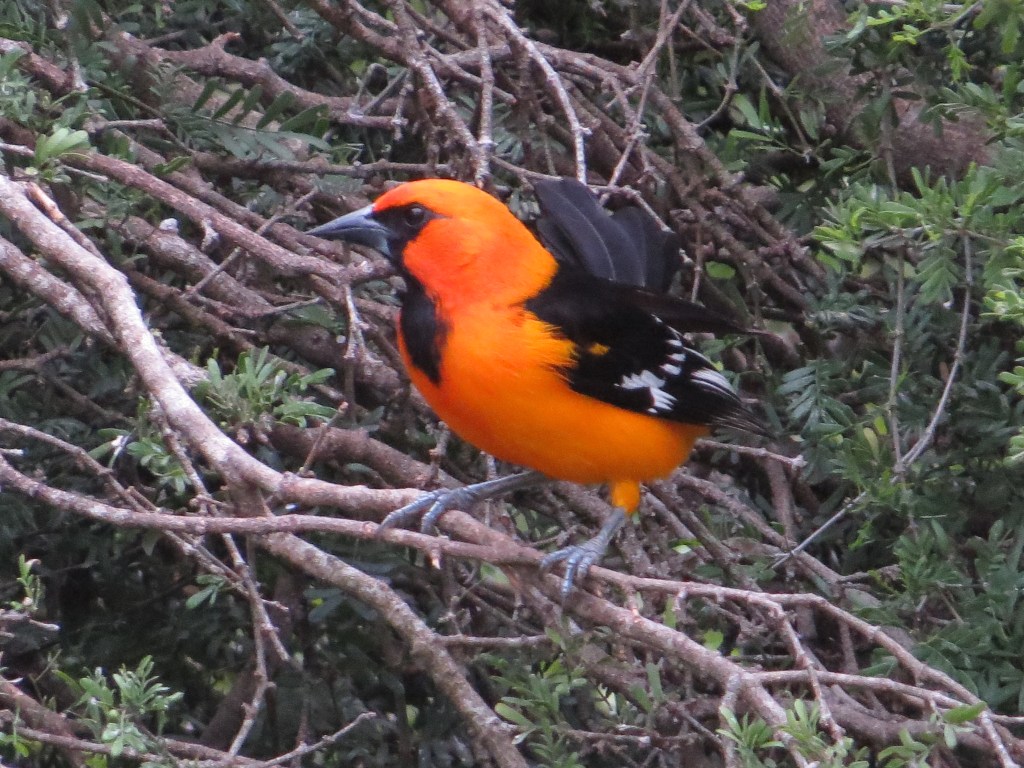
    There are about nine species of orioles. The most common in the Rio Grande Valley are the Altimira and Hooded. The Altamira Oriole is shown immediately above and below. As with most of those shown above, the northernmost distribution of the Altamira Oriole is south Texas.

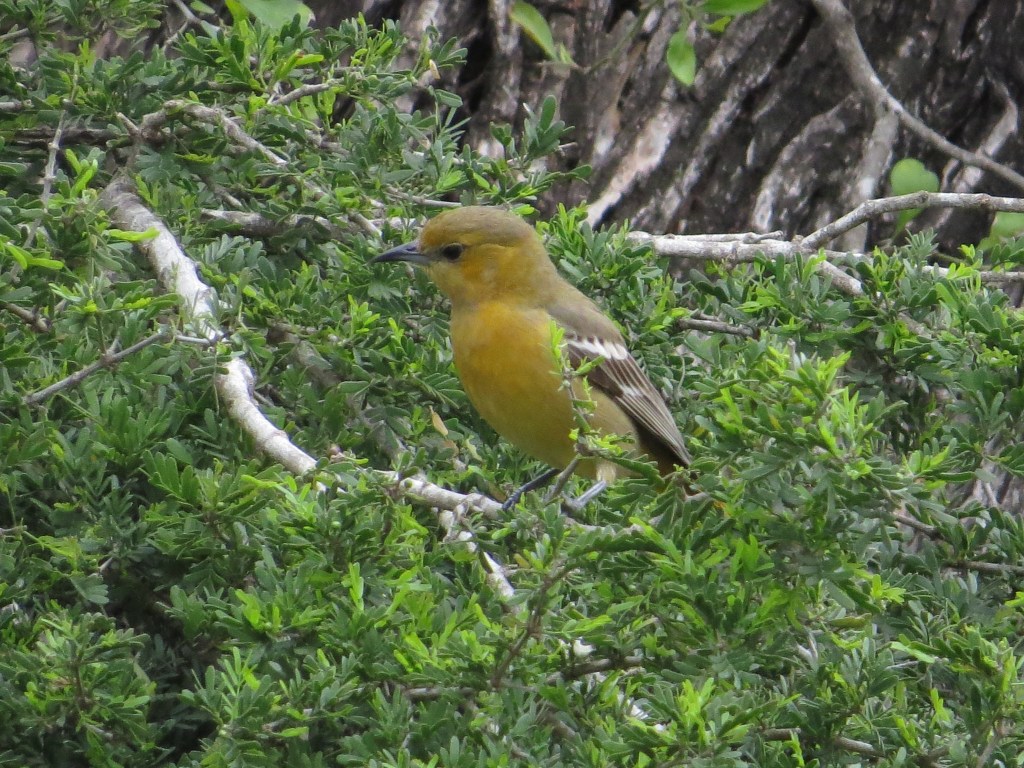
    This guy (above) is a female Hooded Oriole. It’s quite a bit smaller than the males.

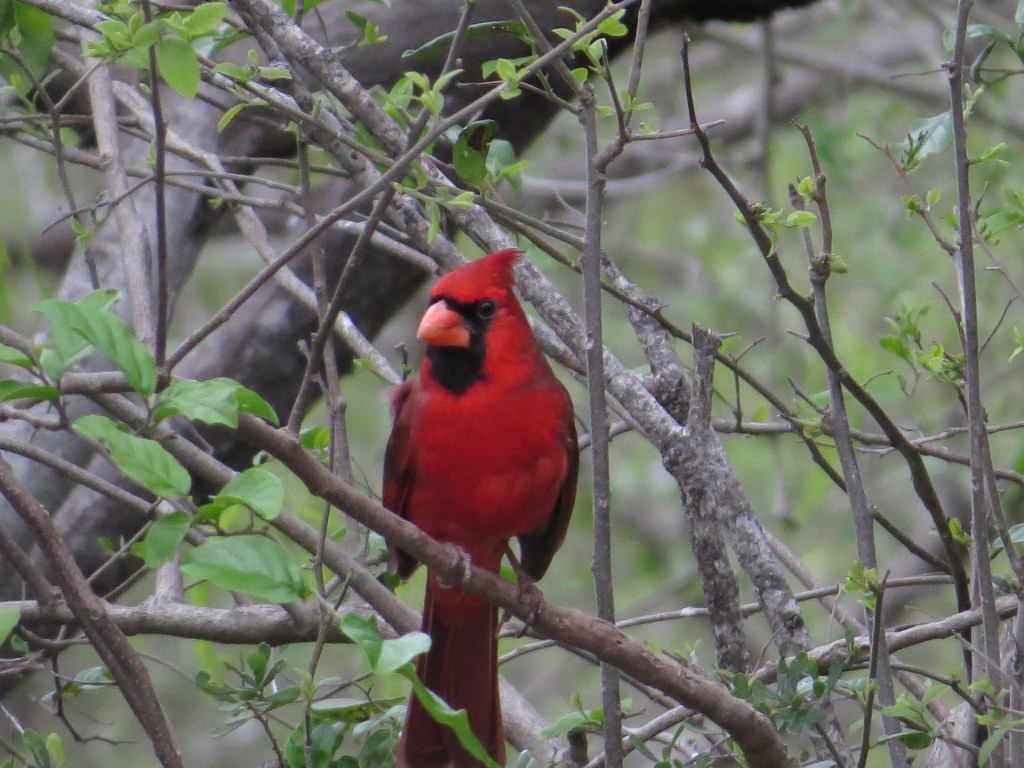
    Males of the Northern Cardinal (above) have vivid red plumage and can be found from the central US eastward and southward into Texas. Many are year-round inhabitants.

  • One Type of Mantid (Bistanta campestris) (Anderson 2022)

    February 1st, 2025

    When I was a kid I spent my fair share of time playing outside. Curiosity fed exploration and I was exposed to all sorts of wonderful experiences. I remember my first encounter with a mantis (praying mantis). It was with both admiration and fear that I beheld this small creature.

    Later I learned that some types of mantids will kill and eat its mate. I think it has to do with helping to meet their nitrogen demands. This is also why we husbands should be nice to our wives.

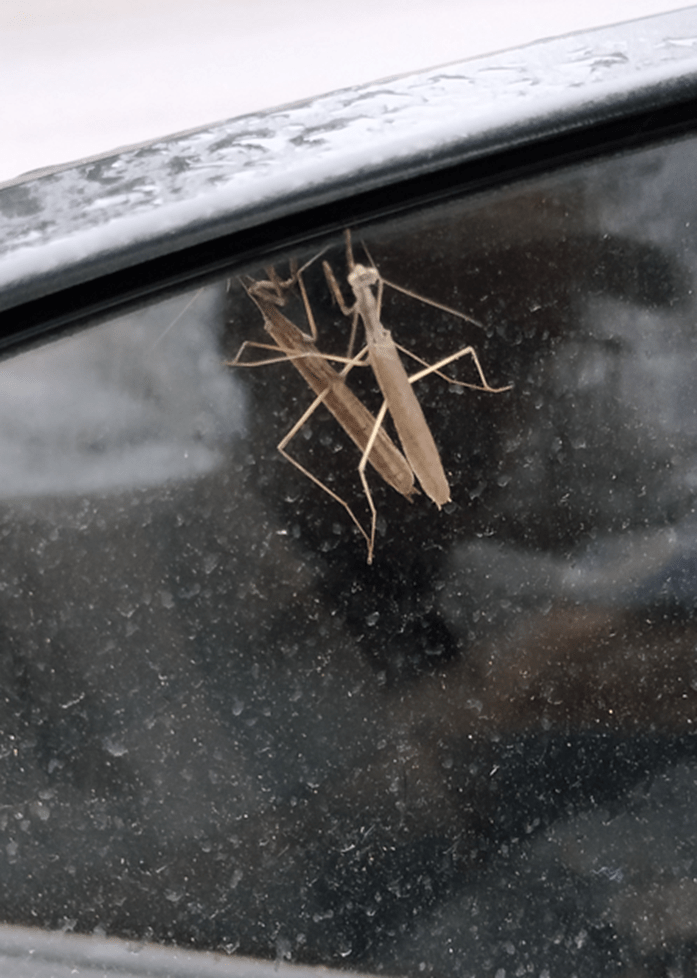
    Mantids have been around for several million years (the Cretaceous period… partying with the dinosaurs). Today, there are five species and we find them on both sides of the Rio Grande. I found this fellow on the driver’s side view mirror. That’s why it looks like there are two of them. Seeing him against a mirror provided a nice dorsal-ventral aspect. After I took the photo I flicked him on his rear end and he flew away.

             Photo taken by the author.

  • The Coquina

    December 11th, 2024

    by Joseph Kowalski

    Coquina is the common name of a species of clam (Donax variabilis) that lives in the sandy beach sediments of many coastal shores. Donax is quite small (about 10-15 mm in length) and burrows into the sand where it filters the water for suspended bacteria, phytoplankton and debris (called detritus). They have an in-current siphon that draws water in and an excurrent siphon that pumps used water back out. In between is where they filter the food out to sustain themselves. Some folks cook up coquina and stew them. Bring your own crackers.

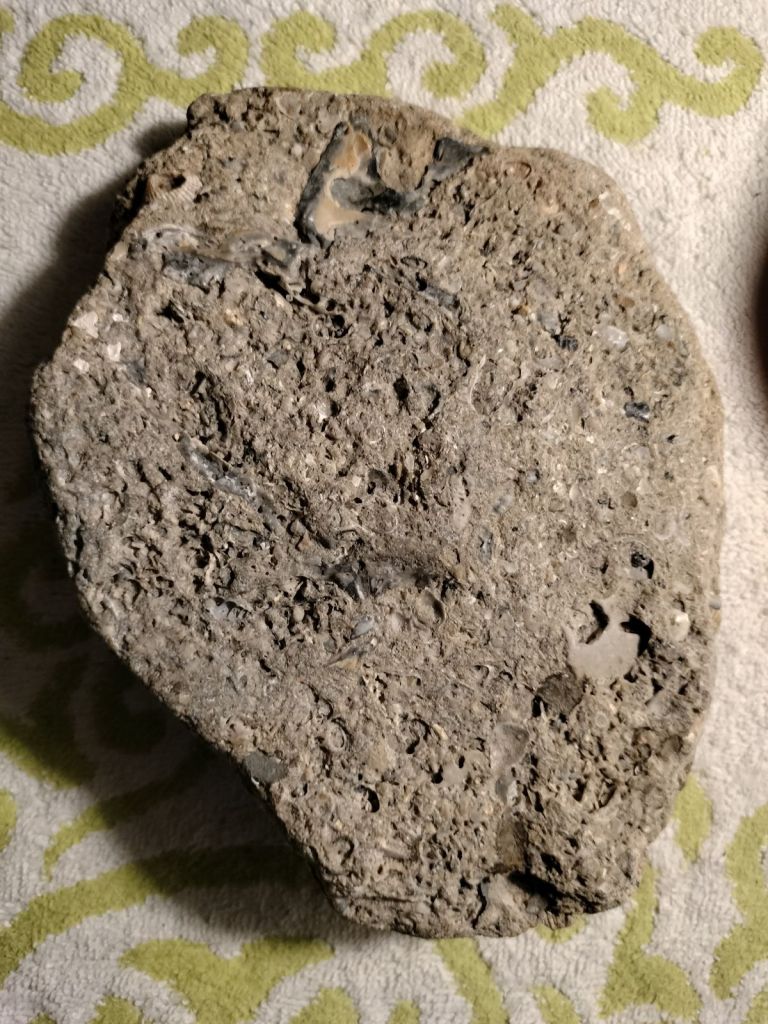
    Coquina is also the same name used to describe rock that forms when mainly Coquina shell remains are broken up and scattered in the fore shore of the beach by pounding waves, along with many other types of invertebrates with shells made of calcium chloride. Once the fragments are swept together seawater moves through the pore spaces and cements the debris, along with sand grains and glues them together (see the image immediately below).

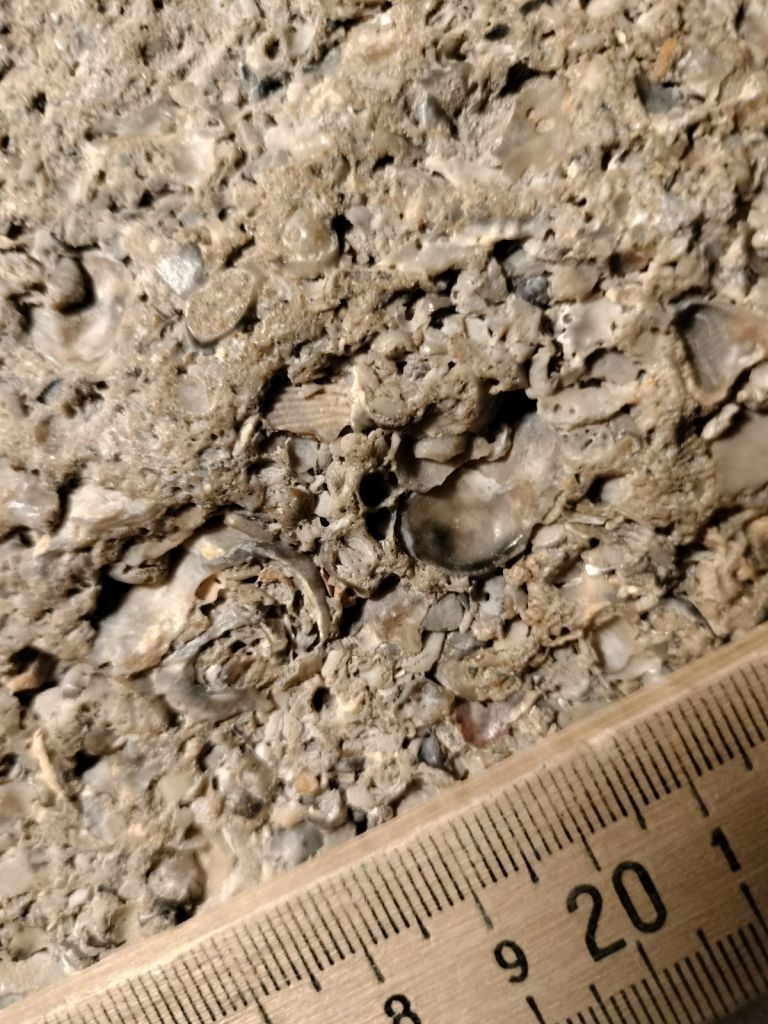
    A slightly acidic porewater is ideal to act as a cementing fluid. Often calcium chloride is the cementing agent, but silica can act in this role, depending on the geochemistry of the local geologic setting. The best way to know whether you’re dealing with calcium chloride is to place a small drop of hydrochloric acid on the rock. If it fizzes, it’s calcium chloride. Silica doesn’t fizz. Now that we have the hash of broken material cemented we need a bit of time and pressure. This is how to make a sedimentary rock from a bunch of material (sand, larger rocks, fossils, and the like). The image above is an enlarged portion of the rock above. It shows more detail of many kinds of broken fossils. Don’t forget that we began this with the Donax clam and how they become obliterated in the surf zone of the beach. There are also oysters, but they may not go well in soup.

  • Creatures Among Us

    April 12th, 2024

    The Big-Eared Blister Beetle

    by Joseph and Nellie Kowalski

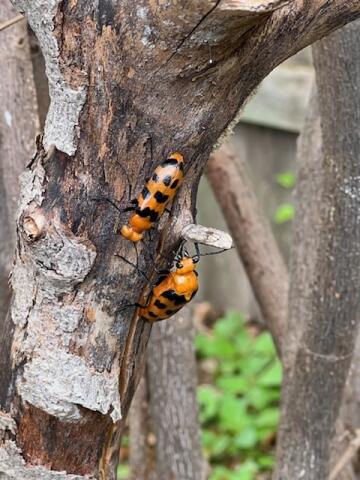
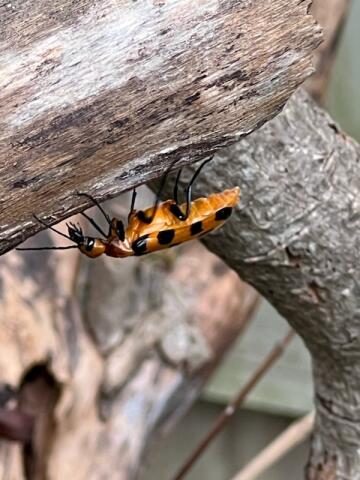
    My wife, Nellie, called me out to the back yard to show me a strange-looking insect on the remains of one of the bushes that had died after the February 2022 winter storm. The creature conjured in me a strange combination of admiration of their festooned vivid colors, but also of their fearsome appearance. Their name is Cissites auriculata (Champion, 1892), commonly known as the Big-Eared Blister Beetle. Say that three times as fast as you can. Apparently, gravity is not a problem for them.

    Blister Beetles are actually toxic enough to hurt the gardener as well as the garden. These pests are unwanted guests in any garden. Adult blister beetles eat leaves, flowers, and soft plant tissues. They consume a variety of plants including legumes, potatoes, and other crops. Larvae are parasitic, feeding on bee nests to consume eggs and larvae. The first larval stage, known as triungulin, attaches to a bee and gets transported to its nest where it feeds on bee eggs and larvae. The Blister Beetle produces many eggs. A single female can lay between 3,000 and 9,500 eggs every one-to-two weeks, as many as five or six times.

    Blister Beetles are preyed upon by a wide variety of mammals, birds, reptiles, and frogs. The toxin is painful and a potent deterrent for any would-be predator that hasn’t evolved any protection against it. Those species that use bright colors as a warning to predators include some species of Blister Beetle and Poison Dart tropical frogs. This manner of warning is called “aposematism,” also be seen in some species of wasps and Lady Bugs.

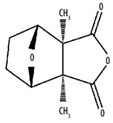
    The toxic part of the Blister Beetle is cantharidin. It is so effective at destroying tissue that it’s used in wart removal products. It is toxic if swallowed. These insects are not typically aggressive towards humans. If you can avoid contact with the beetles themselves, that’s best.

    Structural formula of cantharadin

    (https://www.planetnatural.com/pest-problem-solver/garden-pests/blister-beetle-control/)

    Photos were taken by the author.

  • The Beauty of the Heavens

    January 10th, 2024

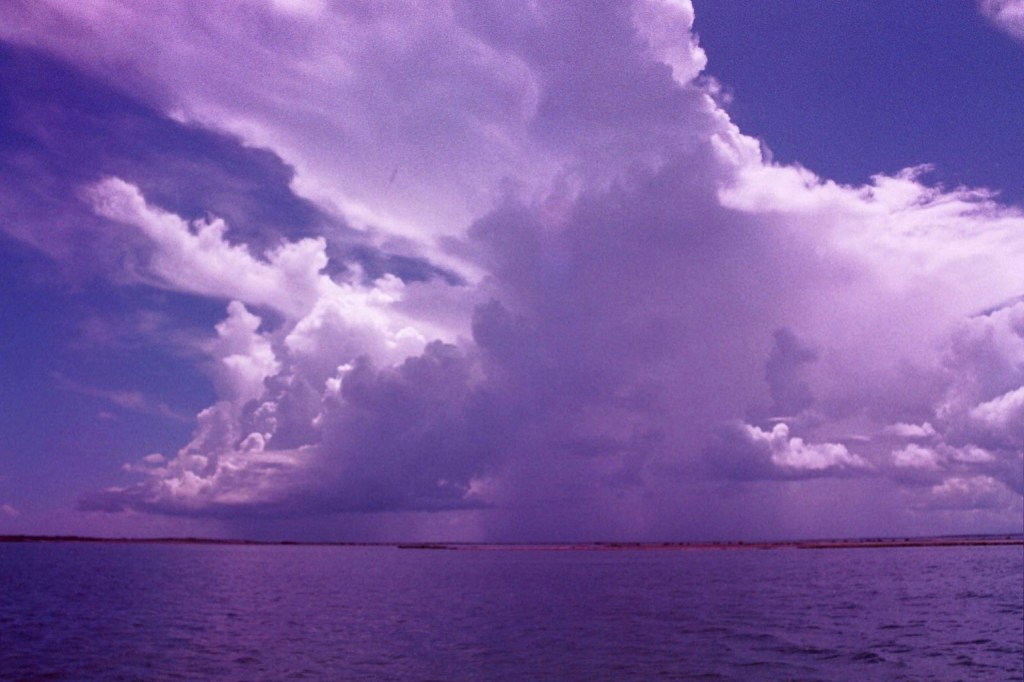
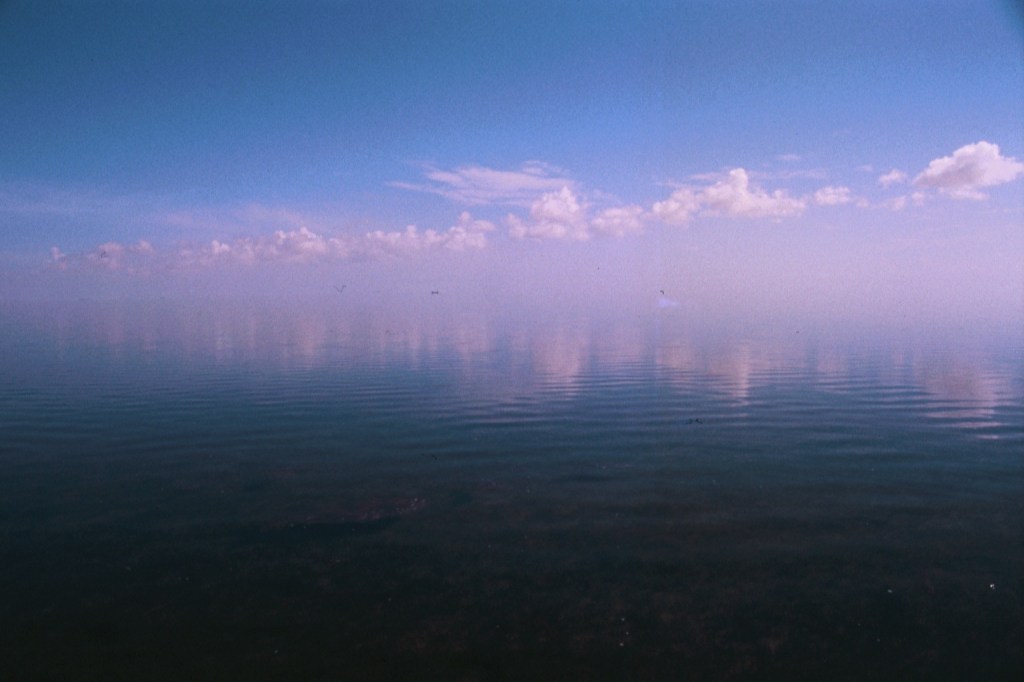
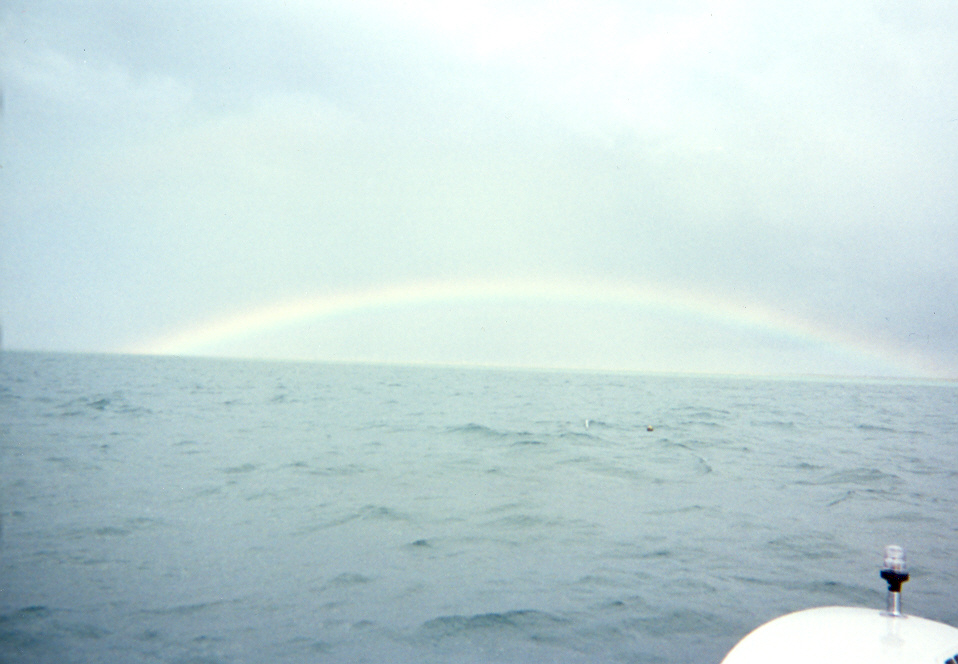
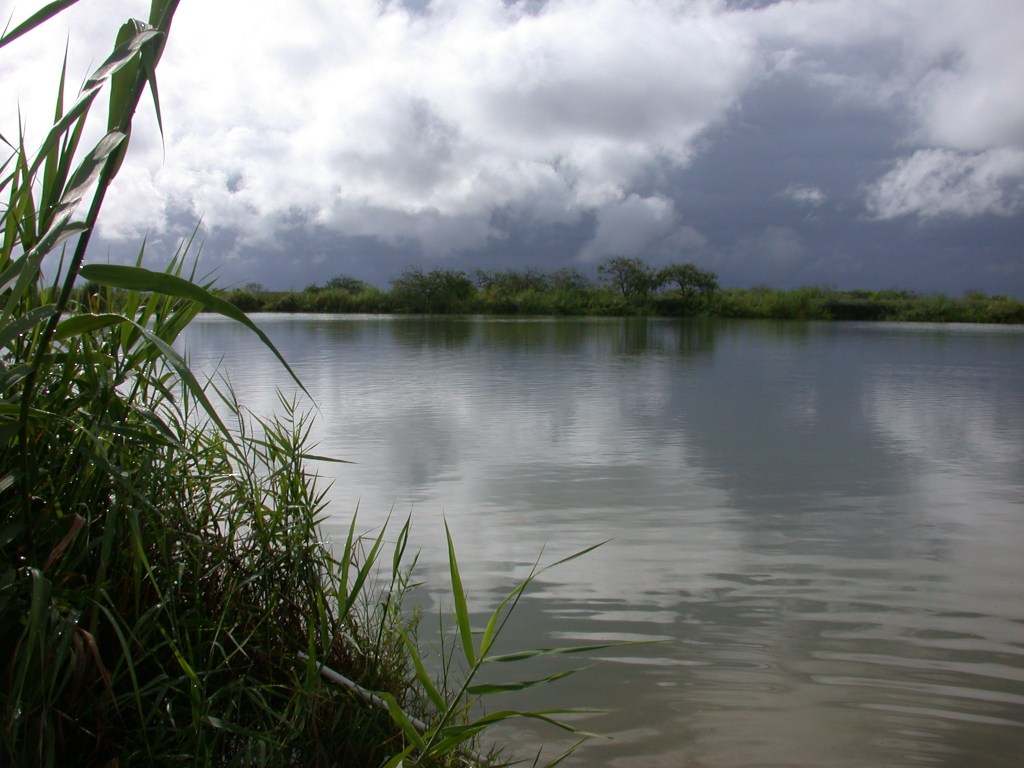
    The majesty to behold between times of being in the water.

    File name :DSCN0098.JPG File size :615.8KB(630623Bytes) Shoot date :2002/07/09 09:15:46 Picture size :2048 x 1536 Resolution :72 x 72 dpi Number of bits :8bit/channel Protection attribute :Off Hide Attribute :Off Camera ID :N/A Model name :E995 Quality mode :NORMAL Metering mode :Multi-pattern Exposure mode :Programmed auto Flash :No Focal length :8.2 mm Shutter speed :1/476.1second Aperture :F7.5 Exposure compensation :0 EV Fixed white balance :Auto Lens :Built-in Flash sync mode :N/A Exposure difference :N/A Flexible program :N/A Sensitivity :Auto Sharpening :Auto Curve mode :N/A Color mode :COLOR Tone compensation :AUTO Latitude(GPS) :N/A Longitude(GPS) :N/A Altitude(GPS) :N/A
  • Adventures in a Seagrass Bed

    January 10th, 2024

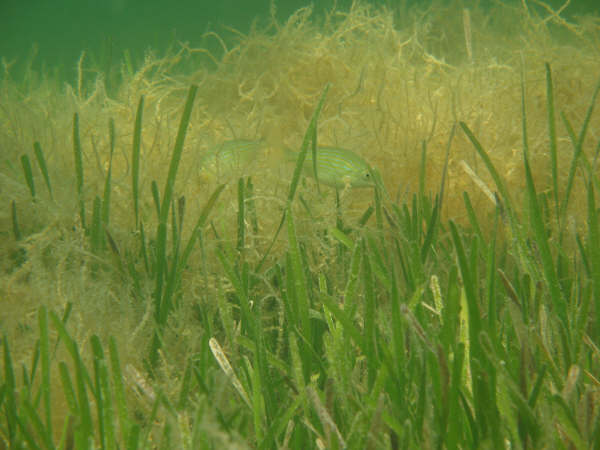
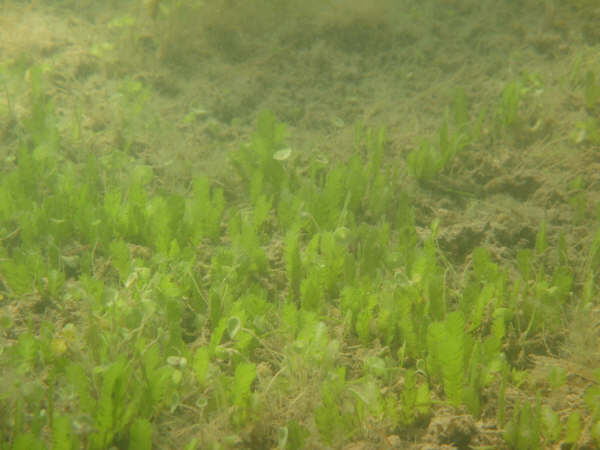
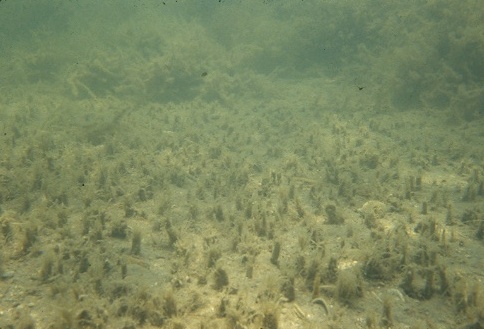
    Seagrasses are in a group of plants that moved from the sea to the land and then returned to the sea. The water in which they abide can become cloudy because of sediments and/or phytoplankton. This is why seagrasses need relatively clear water. They co-habit the water column with fish of varying size and (in this image, macroalgae. These are the golden colored plants in the background. They can be bad for seagrasses because macroalgae roll along like tumble weeds in cowboy movies. During times when the tumble weed macroalgae stop tumbling they sit on the seagrasses and deprive them of light. Given enough time to sit they block light, introduce toxic conditions and kill the seagrass bed. (see image below)

    After doing damage to the seagrass bed other species can come in and start to grow. This is called succession. Below is Caulerpa mexicana with Caulerpa prolifera. It has spread from the jetties to the seagrass meadows. What next? Dogs and cats living together?

    The image below shows what a seagrass bed looks like when drift macroalgae suffocate the seagrass. No more pretty co-existing. Just plain old dead.

  • A White Chachalaca?

    January 9th, 2024

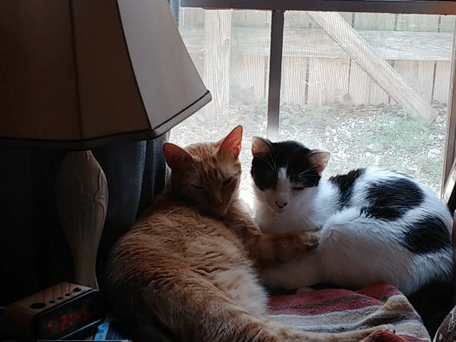
    Leucism is the partial loss of all types of pigmentation. Leucism causes white coloration, white spots, splotches, spots, or patches on the skin or fur (or feathers). It’s really not all that unbelievable in nature. There’s even been a leucistic cat or two whose been seen lurking in my house. We call him Carl. Can you tell which is Carl? Carl wakes me up in the morning.

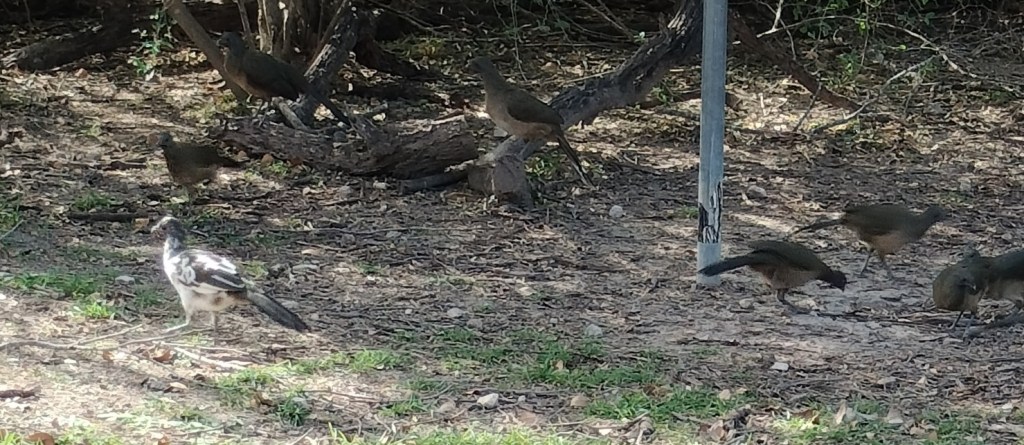
    A true albino has no pigmentation at all. Anywhere – including white eyes. You can tell the difference between albinism and leucisim in that leucism does not affect the pigment cells in the eyes. My eyes boggled when they beheld just that on a chachalaca. On a chachalaca! (see the image below). I was on duty Saturday at Bentsen Rio Grande Valley State Park and no sooner did I arrive that I saw the legendary leucistic chachalaca.

    Look closely at the photograph above. The leucistic chachalaca is at left and is easily distinguishable from other birds in the flock. I also saw this bird to be isolated from other chachalacas. Several other chachalacas acted aggressively towards their stylistic brother (or sister). Just for being different. I’m sure glad that we humans don’t behave in the same manner. Hmmm

  • The Art of Connection

    January 9th, 2024

    Welcome to WordPress! This is a sample post. Edit or delete it to take the first step in your blogging journey. To add more content here, click the small plus icon at the top left corner. There, you will find an existing selection of WordPress blocks and patterns, something to suit your every need for content creation. And don’t forget to check out the List View: click the icon a few spots to the right of the plus icon and you’ll get a tidy, easy-to-view list of the blocks and patterns in your post.

1 2
Next Page→

Blog at WordPress.com.

  • Pleistocene Terrace

    The pleistocene terrace is a recent layer of sandstone laid down between 2.50 million to almost 11,000 years ago. This is what we call recent. Some of my more cheeky former biology students would ask me if I walked the Earth back then. I digress. I’m taking this route because this little story weaves geology…


    January 10, 2024
  • Research Opportunities in Marine Ecology for High School Students

    In the year 2009 the University of Texas Rio Grande Valley (then UTPA) obtained funding for a summer camp in marine ecology. High school students were selected from Dawson High School in Pearland, Texas and The International Baccalaureate Program at Lamar Academy from McAllen Independent School District. The five-day camp was held at The University…


    April 22, 2025
  • Birds of Bentsen Rio Grande Valley State Park

    My wife gave me her old workhorse of a camera when she upgraded. I’ve been getting used to it and have started taking pictures of the birds at Birds of Bentsen Rio Grande Valley State Park, where I volunteer. My duty station is the Nature Center, a structure you pass as you make your way…


    March 8, 2025
  • One Type of Mantid (Bistanta campestris) (Anderson 2022)

    When I was a kid I spent my fair share of time playing outside. Curiosity fed exploration and I was exposed to all sorts of wonderful experiences. I remember my first encounter with a mantis (praying mantis). It was with both admiration and fear that I beheld this small creature. Later I learned that some…


    February 1, 2025
 

Loading Comments...
 

    • Subscribe Subscribed
      • All Things Biological
      • Already have a WordPress.com account? Log in now.
      • All Things Biological
      • Subscribe Subscribed
      • Sign up
      • Log in
      • Report this content
      • View site in Reader
      • Manage subscriptions
      • Collapse this bar