The pleistocene terrace is a recent layer of sandstone laid down between 2.50 million to almost 11,000 years ago. This is what we call recent. Some of my more cheeky former biology students would ask me if I walked the Earth back then. I digress. I’m taking this route because this little story weaves geology and biology. Back then I taught both biology and geology. It’s a good opportunity for kids to get out in the field to see how nature operates. One particular field trip took us to South Padre Island for a beach clean-up. For some reason I was cleaning up in the back shore, but not sure if there was any repetative method. At some point I looked down and saw this rock in the image below.
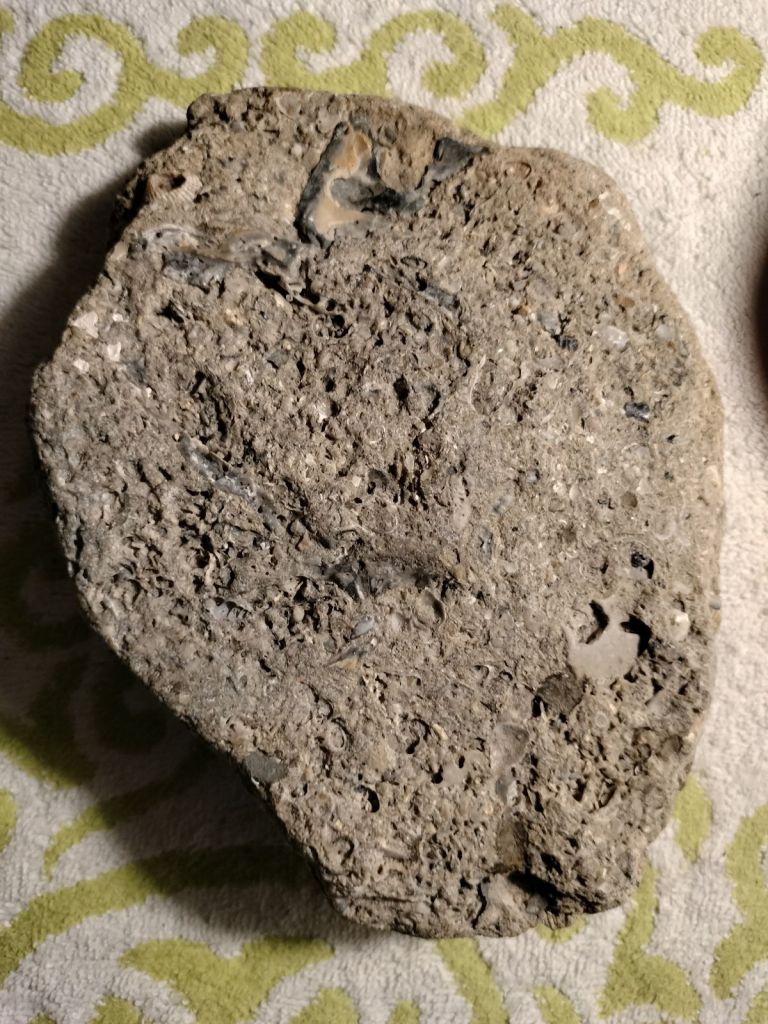
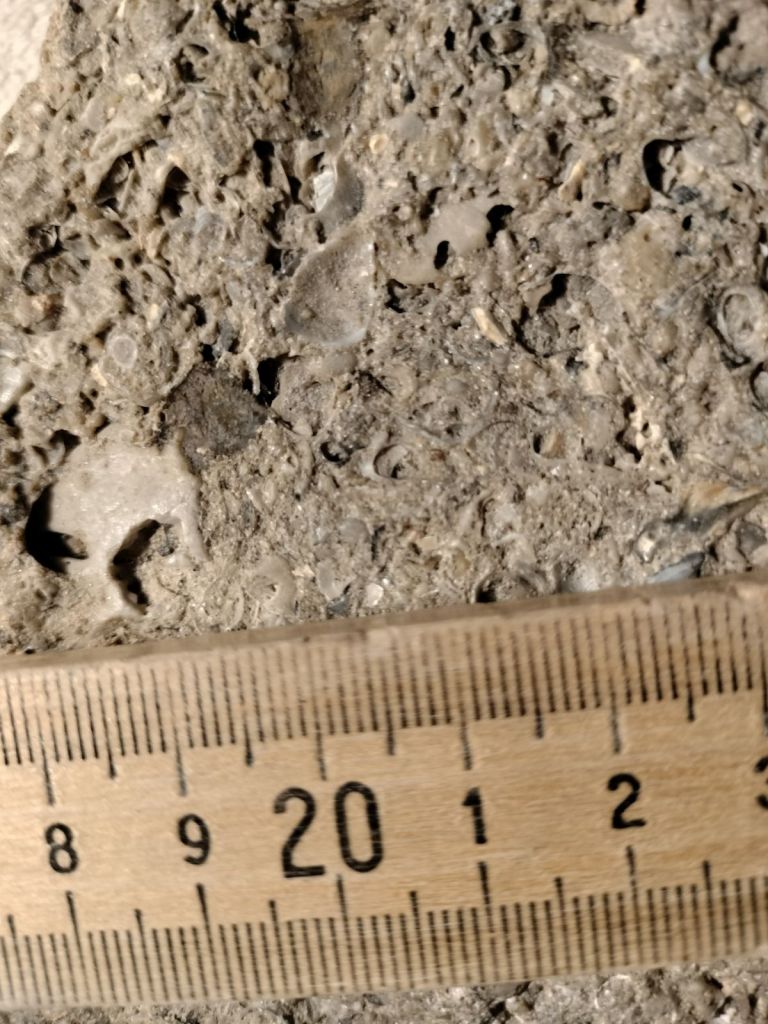
The image immediately below is a better close-up that includes the relative size of the whole thing, as well as several of the fossil shells. This is where the biology and geology come together. For some reason it is said to be part of the Pleistocene Terrace. I guess it’s Pleistocene because it’ s in the geologic time scale. The terrace part comes from the fact that it represents sediments and shells that have become cemented together. That takes time and pressure (straight out of Shawshank Redemption). Lot’s of time and lots of pressure. How this particular rock ended up on my desk lies in the likely explanation that a big storm, like a hurricane, ripped it from where it formed and tossed it in the back shore of South Padre Island. Pretty cool, right?
 All Things Biological